
Assan
Misk Heritage Museum “Asaan” Signs a Collaboration Agreement with Art of Heritage to Showcase Saudi Arabia’s Cultural Legacy
This 30-year agreement reflects Asan's vision and efforts to highlight the cultural and heritage treasures from various regions of the Kingdom.
Kingdom of Saudi Arabia, Riyadh, 30 ابريل 2025: 30 ابريل 2025:
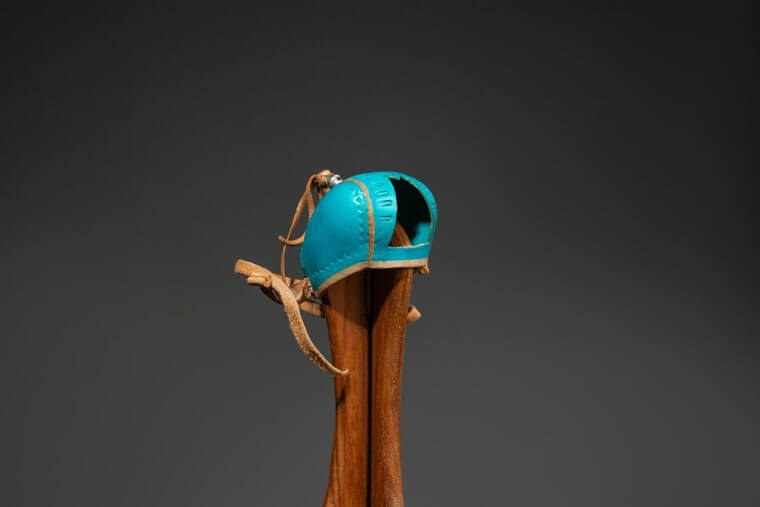
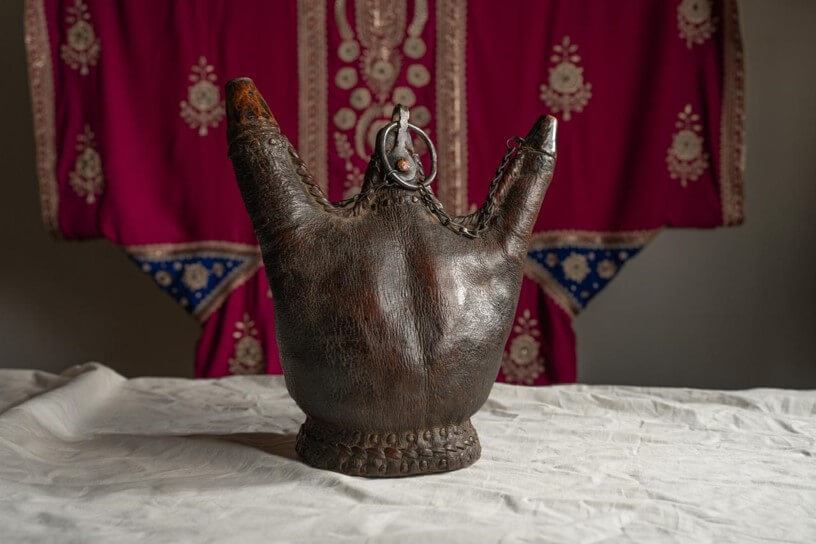
The recently launched Misk Heritage Museum (ASAN), dedicated to preserving, celebrating, and reviving Saudi heritage, has announced a 30-year collaboration agreement with Heritage Arts, a subsidiary of the Al-Nahda Association. This agreement aims to showcase a diverse and extensive collection of heritage artifacts owned and maintained by Heritage Arts, including a large number of rare pieces and artifacts that focus on the Saudi way of life and will be presented to the public for the first time.
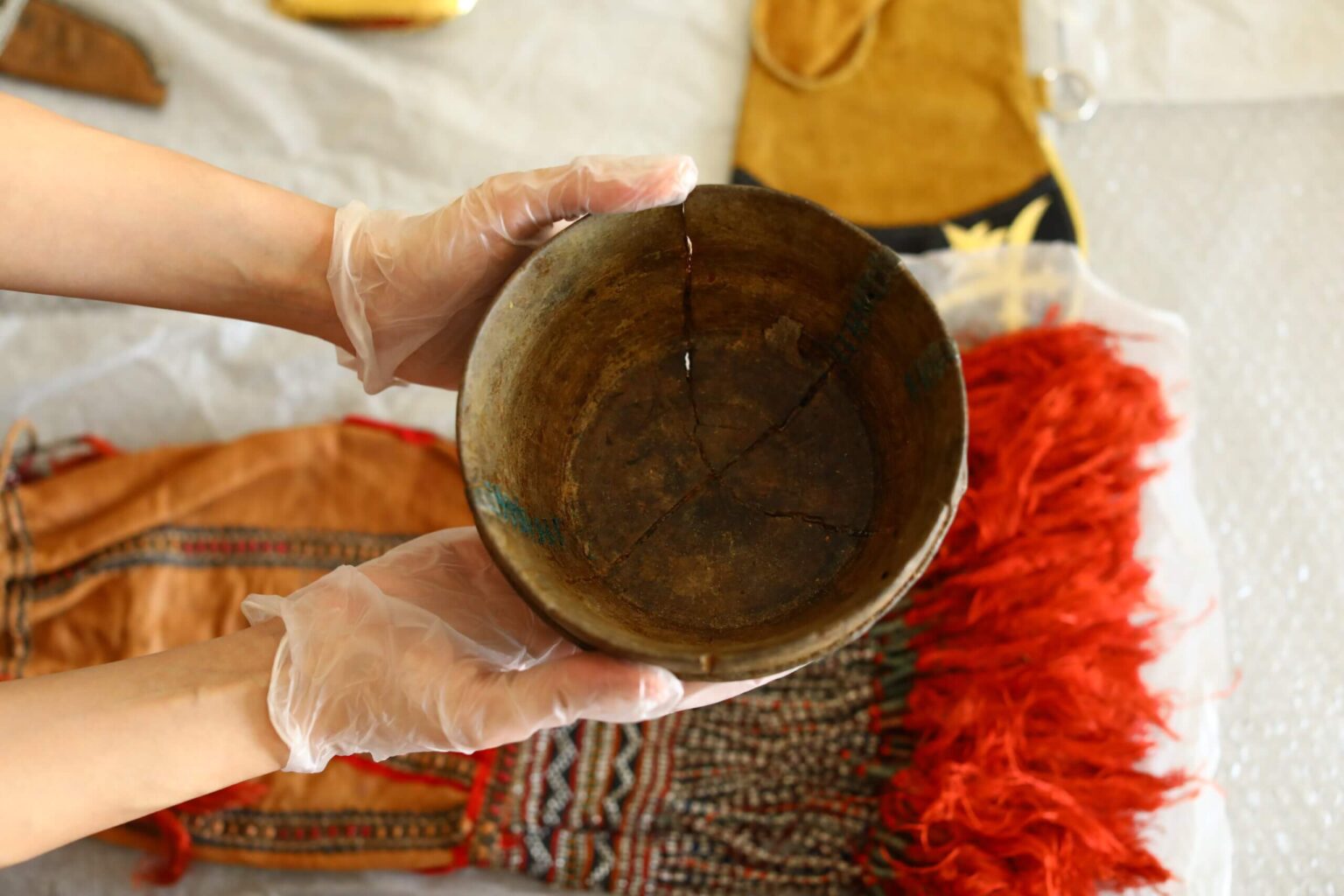
As part of this collaboration, the Asan Museum will be responsible for preserving, managing, and displaying the extensive collection of Heritage Arts, comprising approximately 57,000 artifacts, ensuring their preservation for future generations. Asan will also digitize the collection before its transfer to the museum and incorporate it into its educational initiatives, interactive community programs, and the creation of handcrafted products inspired by the collection, thereby strengthening the community's connection to Saudi cultural identity and heritage.
Heritage Arts was founded nearly three decades ago as part of the “Al-Nahda Society”—an organization that seeks to empower women economically and socially to be active partners in the development of Saudi society—and later became administratively independent as a non-profit company. Its aim is to preserve and revive Saudi heritage by focusing on traditional handicrafts, preserving them, and supporting Saudi artisans, as well as establishing specialized training programs to master these crafts. Heritage Arts’ collection, thousands of which will be displayed to visitors at Asan, comprises approximately 57,000 diverse heritage items, including nearly 3,000 pieces of jewelry; more than 3,000 textiles, clothing, carpets, and furnishings; around 40,000 photographs, everyday objects, and wooden doors; in addition to more than 1,000 books, manuscripts, documents, audio recordings, and videos. Maps dating back hundreds of years were used to help guide people to the correct routes for crossing the desert, as well as camel litters that were used by the inhabitants of the Arabian Peninsula in the past.
Asan, scheduled to open in a few years, will provide immersive experiences for all its visitors, regardless of age or background, taking them on a journey through time and stimulating their creativity and passion to explore the cultural and heritage treasures that embody the authentic lifestyles and values that continue to inspire the Saudi people to move forward in shaping their cultural and civilizational legacy in the future.